

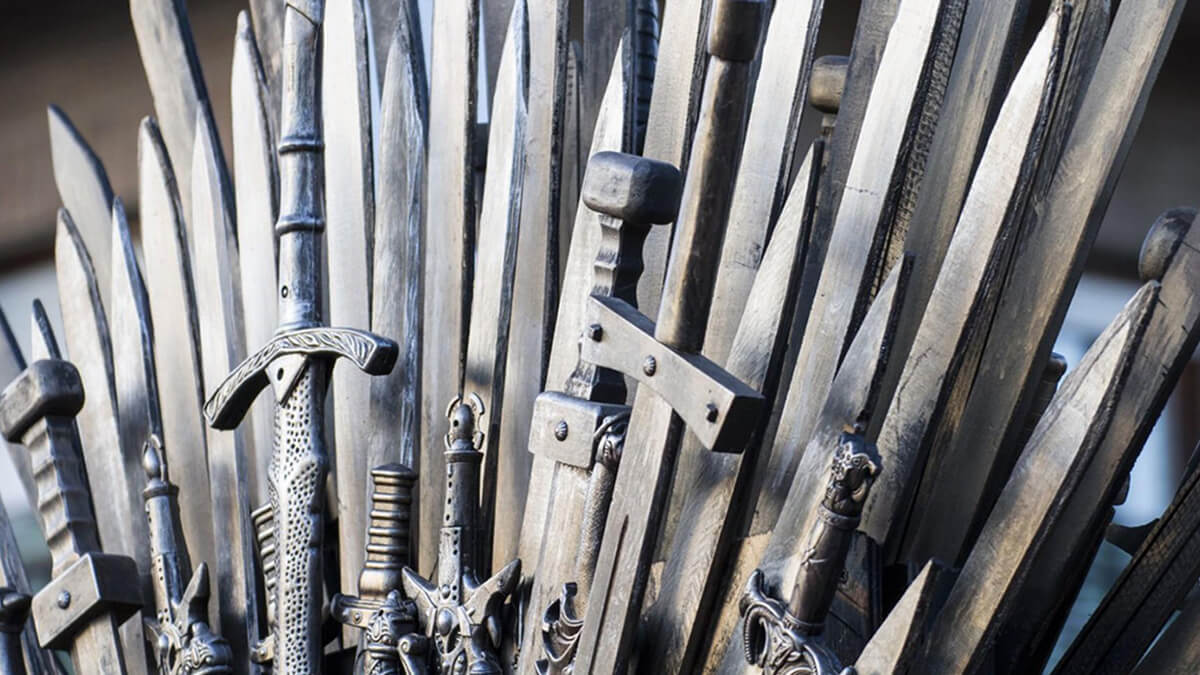
Game of Thrones did more than become one of the most influential television series of its time—it reshaped how modern audiences visualize medieval fantasy worlds. Beyond political intrigue and dramatic storytelling, the series placed unusual emphasis on weapons, using swords and daggers not merely as tools of combat, but as symbols of power, identity, and legacy.
Unlike many fantasy productions that rely heavily on exaggerated or purely fantastical designs, Game of Thrones grounded its weaponry in medieval inspiration. This balance between realism and dramatic flair played a key role in redefining how fantasy weapons are portrayed today across television, video games, and popular culture.
Medieval Inspiration Behind the Series
Although set in a fictional world, Game of Thrones draws heavily from real medieval history. The weapons seen throughout the series reflect recognizable historical forms—longswords, arming swords, and practical daggers—adapted to suit the narrative tone of the story.
Rather than overwhelming viewers with ornate or unrealistic designs, the series favors restrained aesthetics. Blades are often simple, functional, and visibly worn, reinforcing the harsh realities of the world they inhabit. This approach makes the weapons feel authentic, as if they belong to a living history rather than a purely imaginary setting.
Weapons as Symbols of Power and Identity
One of the defining aspects of Game of Thrones is how closely weapons are tied to character identity. Swords are frequently treated as heirlooms, passed down through generations and carrying the weight of family legacy, honor, and responsibility.
In many cases, a weapon’s significance extends beyond its physical use. It represents authority, lineage, or moral alignment, reinforcing the idea that arms in fantasy storytelling can function as narrative devices rather than simple props. This symbolic treatment influenced later fantasy media, where weapons often serve as extensions of character development.
The Role of Swords and Daggers in Storytelling
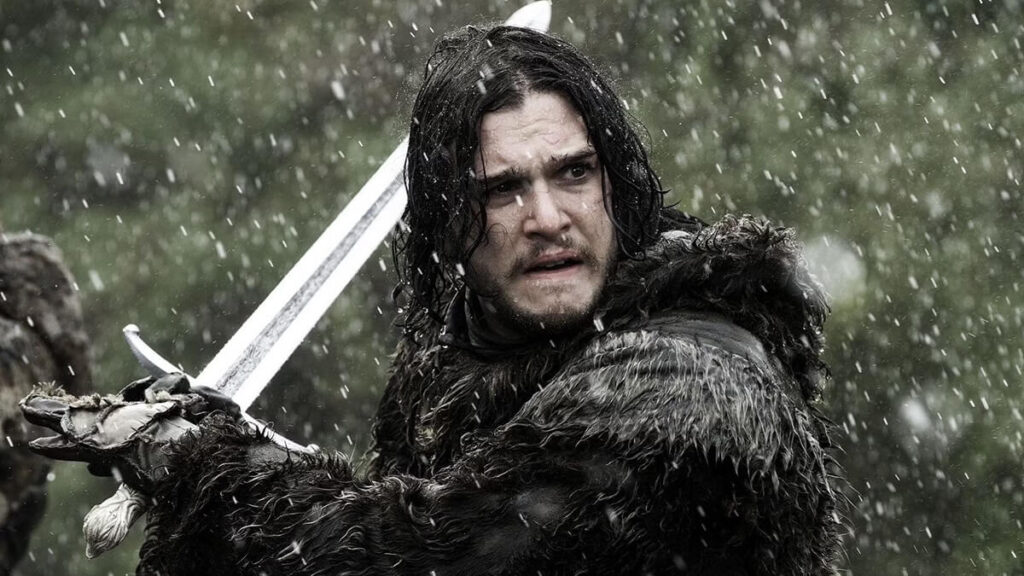
Combat in Game of Thrones is often brutal and unglamorous, and the weapon designs reflect this tone. Swords are depicted as practical instruments of war, used in close, chaotic engagements rather than stylized duels. Their grounded design emphasizes realism and reinforces the stakes of each confrontation.
Daggers, on the other hand, frequently appear in moments of intrigue and betrayal. Their compact form makes them ideal tools for secrecy and survival, aligning with the series’ themes of political maneuvering and personal ambition. This contrast between weapon types adds depth to the storytelling and highlights how different arms serve different narrative purposes.
Influence on Modern Fantasy Media
The success of Game of Thrones set a new standard for fantasy weapon design. Subsequent games, films, and series increasingly adopted similar principles—historically inspired forms, restrained embellishment, and weapons that feel integrated into the world rather than exaggerated for spectacle alone.
This influence is particularly visible in modern fantasy video games, where swords and daggers often echo medieval designs while incorporating subtle stylistic enhancements. The result is a visual language that feels both believable and dramatic, appealing to audiences seeking immersion rather than pure fantasy excess.
Lasting Impact on Contemporary Weapon Design
The legacy of Game of Thrones extends beyond entertainment. Its approach to medieval-inspired weapons helped reignite interest in historical arms and their modern interpretations. Many enthusiasts now seek to understand how real medieval weapons were constructed, balanced, and used, comparing historical examples with their fictional counterparts.
Projects like EpicSwords document and recreate fantasy-inspired weapon designs influenced by medieval history and modern storytelling. These contemporary interpretations reflect how series like Game of Thrones continue to shape public fascination with blades, craftsmanship, and the enduring symbolism of weapons.
Conclusion
Game of Thrones demonstrated that fantasy weapons can be both grounded and meaningful. By blending medieval inspiration with narrative symbolism, the series redefined how swords and daggers function within fantasy worlds—not just as instruments of combat, but as carriers of history, identity, and power.
This approach has left a lasting mark on modern fantasy culture, influencing how weapons are designed, perceived, and celebrated across media. As a result, medieval-inspired arms remain central to storytelling, proving that thoughtful design can resonate far beyond the screen.