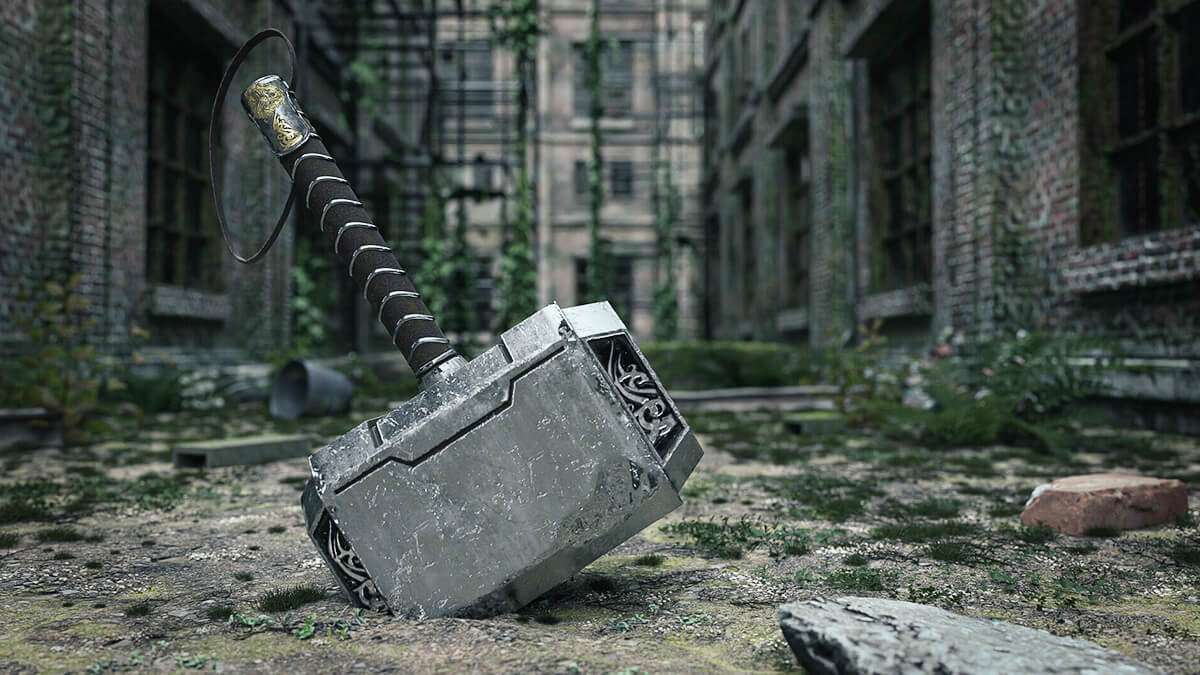
Thor is one of the most recognizable figures in modern mythology-inspired pop culture. While the Marvel films helped introduce him to a wider audience, the core symbol that audiences instantly associate with Thor is much older than cinema: Mjölnir, the hammer of thunder.
What makes Mjölnir so memorable isn’t only its power in battle, but what it represents—strength, protection, and authority. Across Norse myth and modern storytelling, the hammer functions as more than a weapon. It is an icon of identity, a visual shorthand for the character, and a bridge between ancient legend and today’s fantasy culture.
Mjölnir in Norse Mythology
In the original Norse sources, Thor is a protector figure—defending gods and humans from dangerous forces. Mjölnir is described as his essential tool: a hammer associated with thunder, immense force, and the ability to strike with unstoppable power.
Mythology presents the hammer as both practical and symbolic. It is used to combat threats, but it also appears in stories tied to protection and ritual. Over time, this combination—weapon plus symbol—made the hammer one of the strongest “myth objects” in European folklore.
Why the Hammer Became a Fantasy Icon
Swords dominate much of medieval fantasy, but Thor’s hammer stands out because it breaks the typical silhouette. A hammer looks heavy, blunt, and final—built for impact rather than elegance. That visual difference is exactly why it became so powerful in modern fantasy design.
In storytelling, the hammer communicates a clear message:
- Force over finesse
- Protection over aggression
- Power that feels earned, not decorative
That’s why modern films, games, and fantasy franchises continue to reuse hammer-shaped weapons when they want a character to feel unstoppable—without relying on the classic “knight with a sword” archetype.
Design Elements That Make Mjölnir Instantly Recognizable
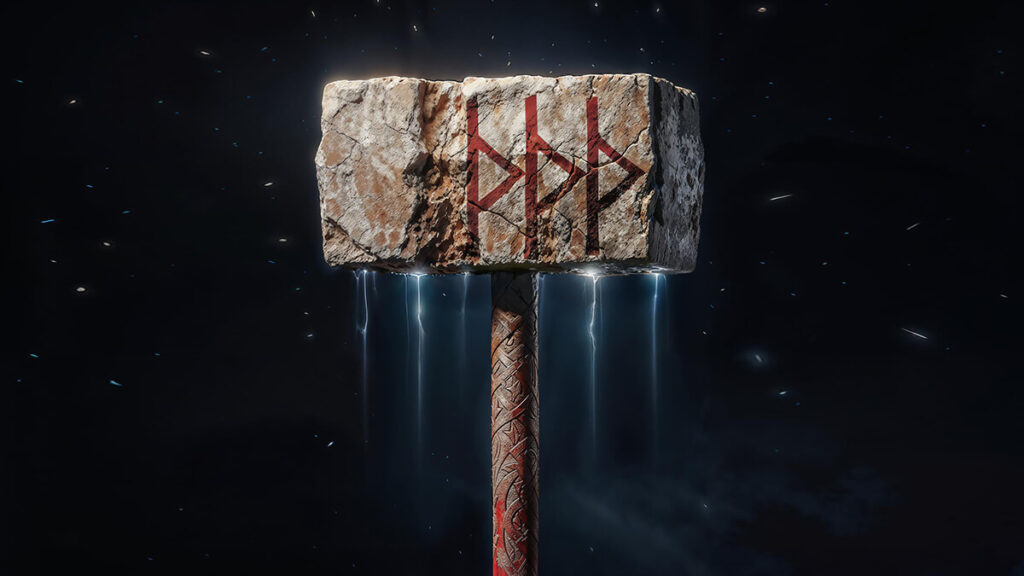
Even across different versions (mythology, comics, films, games), Mjölnir keeps a few signature design traits:
1) A compact, block-like head
This makes the hammer feel dense and powerful—like it’s made to hit once and end the fight.
2) A short handle
In mythology, the short handle has an origin story (often explained as a crafting mishap), but visually it also makes the weapon look unique and easy to recognize.
3) Distinct ornamentation
Many modern interpretations add runes, knots, or engraved patterns. These details connect the weapon back to Norse visual language while giving it a “legendary artifact” feel.
Together, these features create a weapon design that reads instantly on screen—even in fast action scenes.
How Modern Pop Culture Reinvented the Myth
Modern fantasy doesn’t just repeat ancient myths—it reshapes them. Today, Mjölnir often symbolizes “worthiness,” destiny, or rightful power. This is a modern narrative upgrade: the weapon becomes a test of character, not only strength.
This approach is also why “Thor-style” hammers appear frequently in video games and fantasy worlds. They work as both a weapon and a story device. A hammer isn’t just something a character holds—it can represent who that character is.
Why Myth Weapons Still Matter Today
Mythological weapons endure because they’re not tied to a single time period or setting. They can be reimagined endlessly while staying recognizable. Mjölnir is a perfect example: it functions as an ancient artifact, a superhero weapon, a game item, and a fantasy collectible—without losing its identity.
That longevity is exactly why medieval and myth-inspired weapons remain so popular across modern culture. People connect to the symbolism as much as the look.
If you enjoy myth-inspired weapon designs, you can explore our collection of hammers inspired by fantasy and legendary weapon aesthetics.
Conclusion
Mjölnir’s power isn’t only in the stories told about it—it’s in its design and symbolism. It represents protection, strength, and authority, and its unique silhouette made it one of the most iconic fantasy weapons ever created.
From Norse myth to modern pop culture, Thor’s hammer continues to influence how creators design “legendary weapons,” proving that some symbols never lose their impact—they simply evolve.