


When Warcraft was released in 2016, expectations were unusually high. The franchise had already become one of the most influential fantasy worlds through decades of video games, and a cinematic adaptation felt inevitable. While critical reception in Western markets was mixed, the film’s global performance—especially in China—demonstrated the enduring strength of the Warcraft universe.
Beyond box office results, Warcraft introduced something that continues to influence modern fantasy cinema: a bold and unmistakable approach to weapon design, drawing heavily from its gaming origins.
A Fantasy World Defined by Visual Identity
The Warcraft universe has always relied on strong visual language. Locations such as Stormwind, the Dark Portal, and Karazhan are instantly recognizable to fans. Just as important, however, are the weapons carried by its characters.
Unlike grounded medieval fantasy, Warcraft embraces exaggerated proportions and dramatic silhouettes. Weapons are designed to feel powerful at a glance, prioritizing visual clarity and faction identity over historical realism. This design philosophy translates particularly well from game to film, where readability and impact are essential.
Weapons as Extensions of Faction and Character
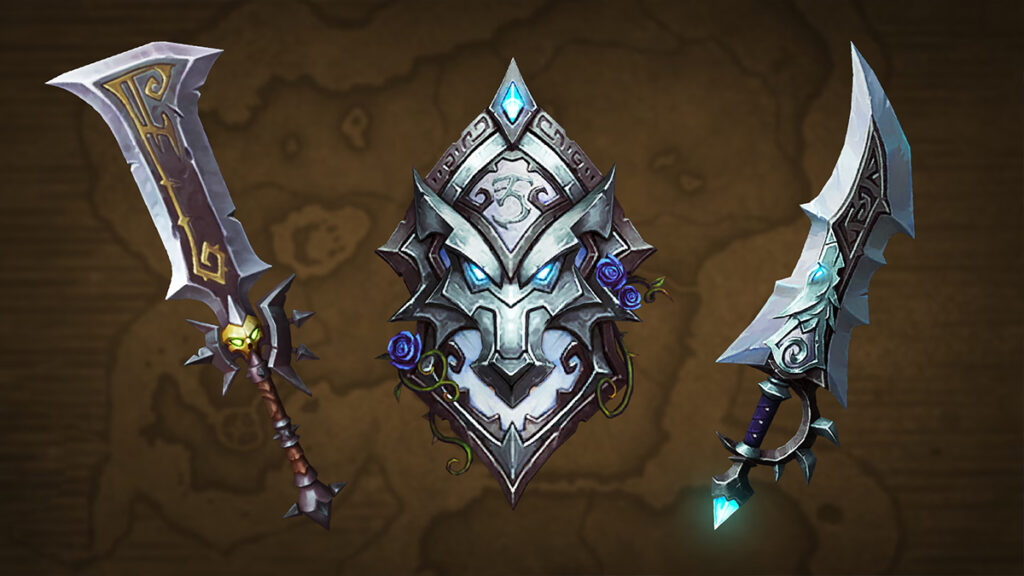
In Warcraft, weapons are never neutral objects. They communicate allegiance, culture, and personality long before a character speaks. Human warriors and knights often wield swords, reinforcing themes of honor, leadership, and structured martial tradition.
In contrast, many orc and warrior factions are defined by heavy axes, emphasizing raw strength, aggression, and battlefield dominance. The weight and shape of these weapons visually reinforce the brutal, force-driven nature of these characters and their societies.
This clear differentiation between weapon types helps audiences immediately understand faction dynamics and narrative roles, making weapons a key storytelling tool rather than simple props.
Why Warcraft’s Weapon Design Still Matters
Although a direct sequel has yet to be officially announced, Warcraft’s influence continues to shape fantasy storytelling. The film demonstrated that audiences respond strongly to distinctive weapon aesthetics—especially when they align with a well-established universe.
Fantasy creators increasingly favor weapons that feel symbolic rather than realistic. Oversized proportions, bold materials, and exaggerated forms allow weapons to communicate power, mythology, and cultural identity instantly, even in fast-paced action scenes.
The Role of Blades and Arms in Modern Fantasy Cinema
Modern fantasy cinema borrows heavily from video game design, and Warcraft stands as one of the clearest examples of that crossover. Large blades, heavy armor, and visually striking materials help convey the epic scale of conflict while reinforcing the larger-than-life nature of the world.
These elements don’t merely decorate the screen—they shape how audiences perceive danger, heroism, and the stakes of battle. Weapons become extensions of world-building, reinforcing tone and narrative without the need for exposition.
What Comes Next for the Warcraft Universe
While plans for a second Warcraft film remain uncertain, the franchise’s visual legacy endures. Whether through future films, television adaptations, or ongoing game expansions, Warcraft continues to influence how fantasy worlds are constructed and presented.
Even without a confirmed sequel, its approach to weapon and faction design remains a reference point for modern fantasy creators seeking to balance spectacle with clarity.
Conclusion
Warcraft may have divided critics, but its contribution to fantasy cinema is undeniable. By translating a game-first universe into a visually ambitious film, it helped redefine how weapons, factions, and warfare are portrayed on screen.
Through its use of swords, axes, and oversized blades, Warcraft demonstrated that weapon design can function as storytelling language—communicating identity, power, and mythology at a glance. As fantasy continues to evolve across media, Warcraft’s influence on weapon design remains firmly embedded in modern fantasy culture.