

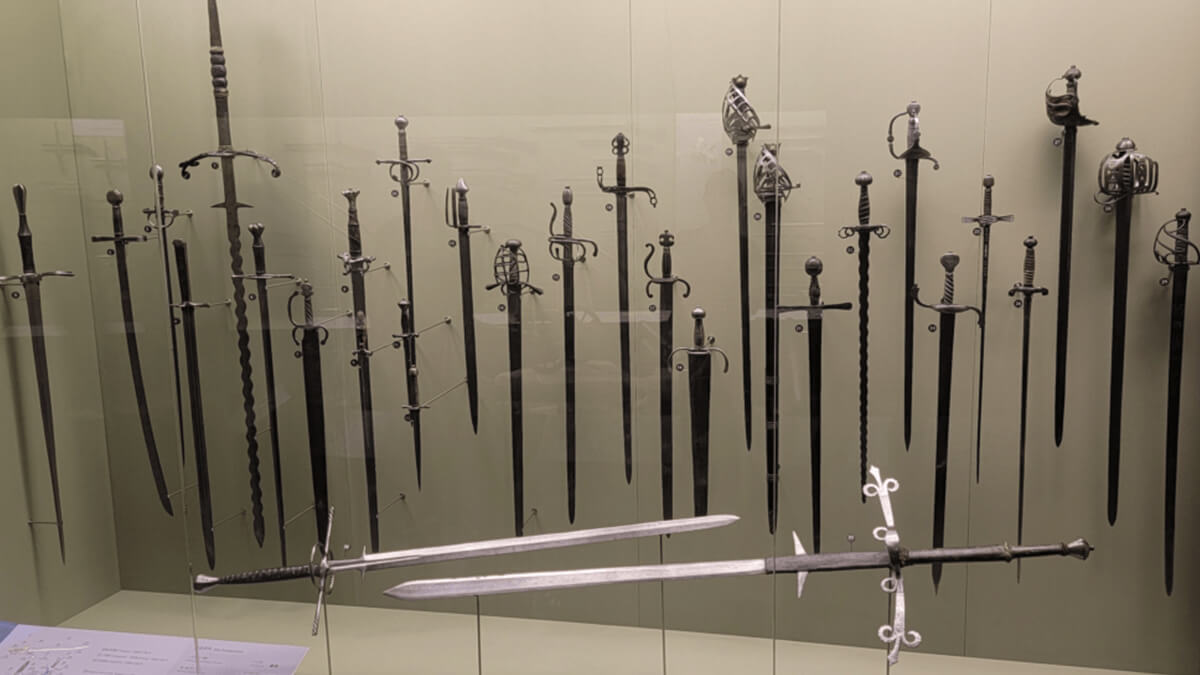
Medieval weapons occupy a unique place in modern popular culture. For most people today, swords, daggers, and other arms of the medieval world are no longer encountered through museums or academic texts, but through video games, board games, films, and digital storytelling. These media shape how audiences imagine medieval warfare, craftsmanship, and cultural identity—often blending historical reality with artistic interpretation.
Understanding how medieval weapons are reimagined in games offers insight into the balance between historical accuracy and creative expression, as well as the cultural narratives that modern media continues to build around the Middle Ages.
Medieval Weapons in Their Historical Context
Historically, medieval weapons were deeply tied to geography, culture, and available materials. European longswords, Middle Eastern scimitars, and various forms of daggers and polearms were not interchangeable designs, but responses to local fighting styles, armor development, and social structures.
Weapons were tools first and symbols second. A sword’s length, curvature, and balance were practical decisions shaped by combat needs. Decoration existed, but rarely at the expense of function. This historical grounding is often simplified or exaggerated when weapons are adapted into modern entertainment.
The Influence of Video Games on Weapon Design
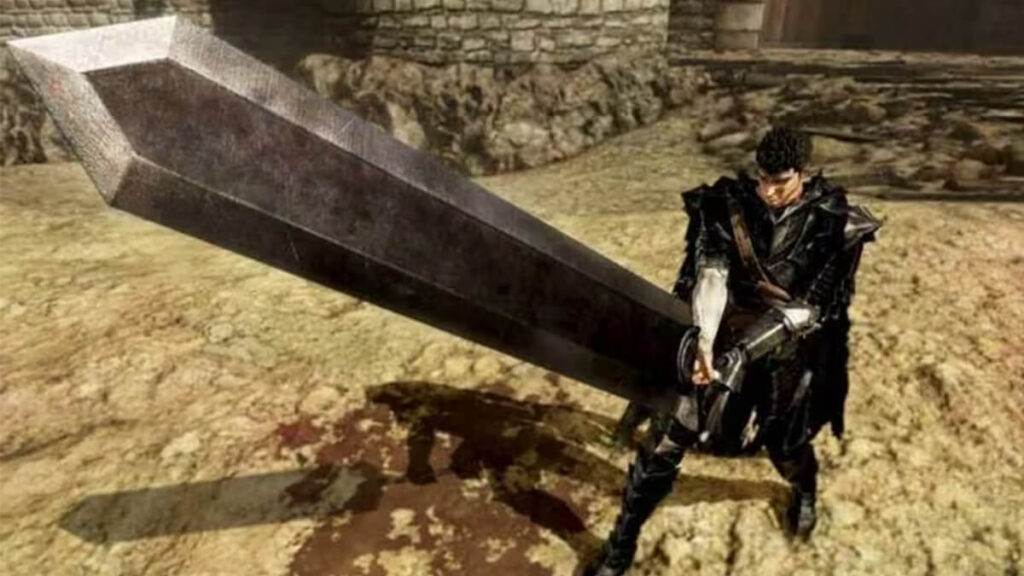
Video games play a central role in redefining medieval weapons for contemporary audiences. Developers often amplify certain visual elements—oversized blades, elaborate engravings, or fantastical proportions—to ensure immediate recognizability on screen.
Games set in medieval or pseudo-medieval settings frequently reinterpret weapons to:
- Emphasize character identity
- Reflect faction or cultural themes
- Enhance gameplay readability and visual impact
While some titles strive for realism, others intentionally depart from it, prioritizing symbolism and player immersion over strict historical fidelity.
The Medieval Middle East in Modern Games
Games that draw inspiration from the medieval Middle East often focus on architectural authenticity and cultural atmosphere, but weapons are equally important in establishing credibility. Curved blades, distinctive guards, and regional design motifs are used to evoke specific historical periods, even when the weapons themselves are stylized.
These representations contribute to broader public understanding—sometimes accurate, sometimes simplified—of medieval societies outside of Western Europe. In this sense, games act as an entry point, encouraging curiosity about real historical arms and craftsmanship.
Accuracy vs. Fantasy: A Deliberate Balance
It is important to recognize that historical accuracy in games is rarely accidental. Developers make deliberate choices about when to follow historical sources and when to diverge from them. Perfect accuracy can sometimes conflict with gameplay mechanics or narrative clarity.
As a result, medieval weapons in games often exist in a space between:
- Authentic inspiration (real forms, materials, proportions)
- Fantasy reinterpretation (enhanced scale, decorative excess, symbolic elements)
This balance allows weapons to remain visually compelling while still echoing their historical roots.
Modern Interest in Medieval Weaponry
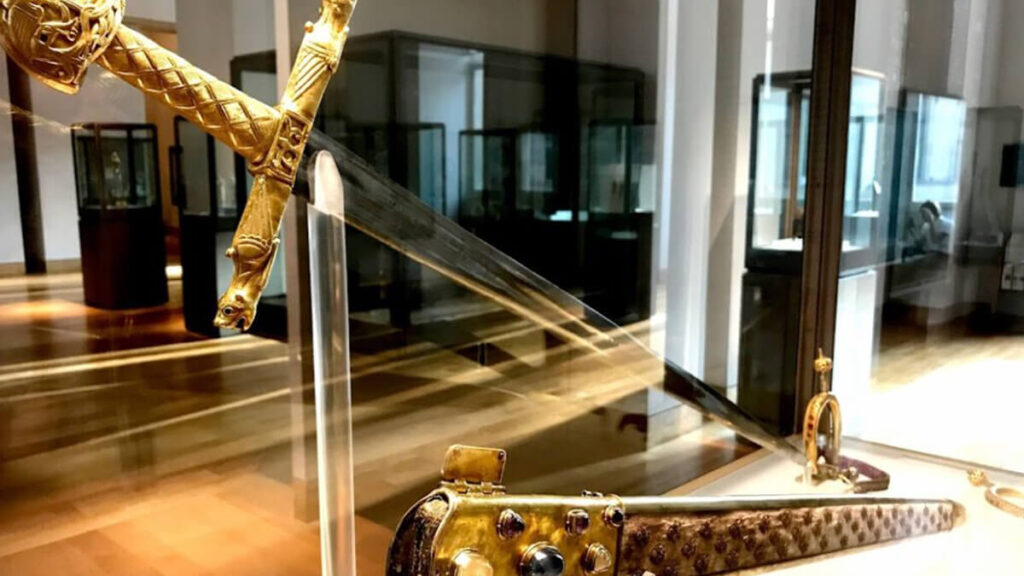
The popularity of medieval-themed games has led to renewed interest in historical weapons beyond the screen. Many enthusiasts seek to understand how real swords and daggers were constructed, handled, and used, comparing historical examples with their fictional counterparts.
Projects like Epic Swords document and recreate medieval and fantasy-inspired weapon designs, offering a visual reference point for how historical forms continue to influence modern interpretations. While these reproductions are contemporary creations, they reflect ongoing fascination with medieval material culture shaped by games and popular media.
Conclusion
Medieval weapons in video games are more than decorative assets. They function as cultural symbols, narrative tools, and bridges between history and imagination. When thoughtfully designed, they can spark interest in historical research, museum collections, and academic discussions about the medieval world.
By examining how weapons are reimagined across media, we gain insight into how the Middle Ages continue to live on—not as a static historical period, but as a dynamic source of inspiration reshaped for each new generation.